
Saving lives on
Koh Phangan since 2001
Three women, an old building behind a school, and one conviction: that the animals of Koh Phangan deserved medical care. That was 2001. Once the island's first private vets arrived to treat owned pets, PAC became PACS — a hospital dedicated entirely to the island's stray and ownerless animals.
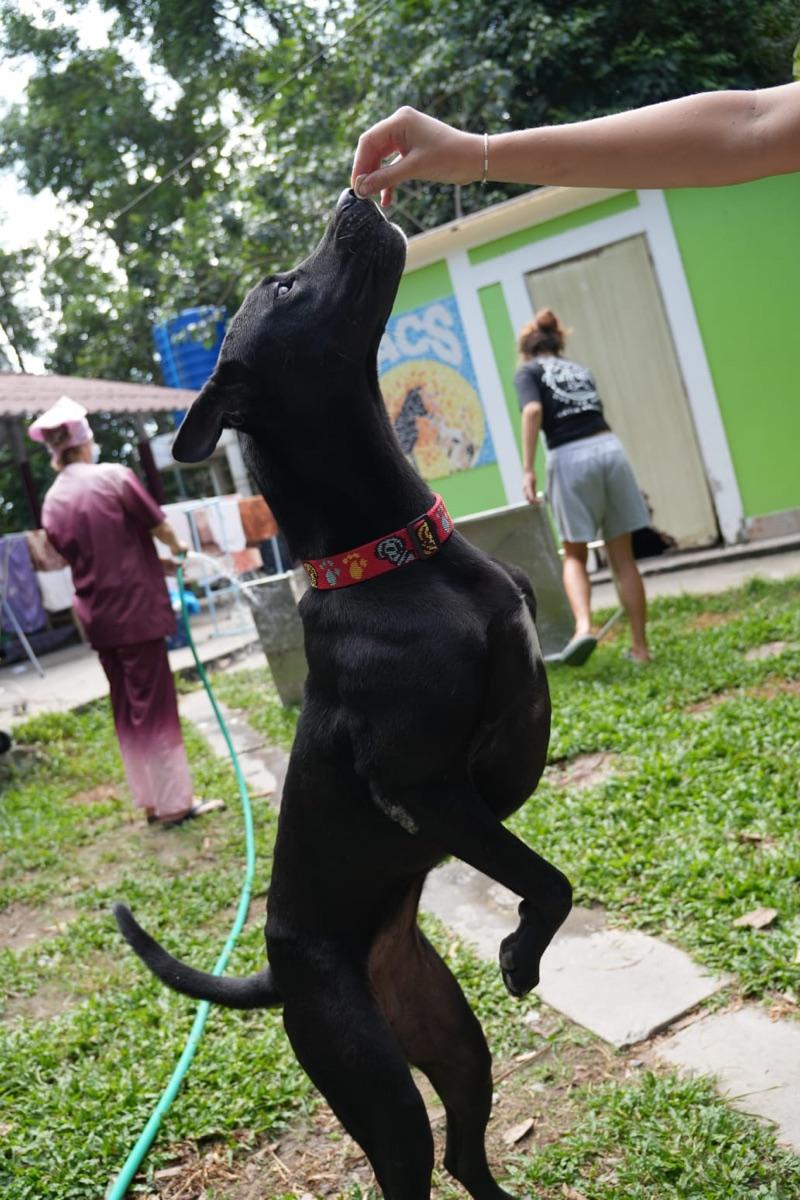
An island with no vets, and animals with nowhere to go
In 2001, Koh Phangan had no veterinary clinic, no sterilisation programme, and no way to manage its stray animal population other than periodic government culls. Sick and injured strays either recovered on their own, were transported to Koh Samui by concerned locals, or died.
Niramon Brande, Shevaun Gallwey and Heidi Farmer decided that was not good enough. They renovated an old building behind Phangan Suksa school in Baan Tai and opened PAC — Phangan Animal Care — in September 2001.
There was no vet on staff and almost no equipment. What there was: determination, a growing network of international animal welfare contacts, and the conviction that humane, preventive care was better for the island than reactive culling.
They were right. No confirmed case of rabies has been recorded on Koh Phangan since PACS began its vaccination programme — though rabies can still arrive from the mainland at any time, which is exactly why year-round vaccination matters.
The co-founders
Niramon Brande
Thai, and Treasurer of PACS' Board of Directors. Her deep roots in the island community were essential to establishing PACS as a trusted, permanent presence.
Dr Shevaun Gallwey
Hong Kong-based Irish veterinarian, and the driving operational force of PACS from the start. Built the international funding relationships that kept the clinic alive through its first decade.
Heidi Farmer
Australian, and co-founded PACS alongside Nature Art Gallery in Haad Rin. Brought creative and community energy to the early years.
Behind everything PACS has achieved sits a dedicated board of directors — Koh Phangan community members who have given their time and belief to keep this work going. We are deeply grateful to them all.
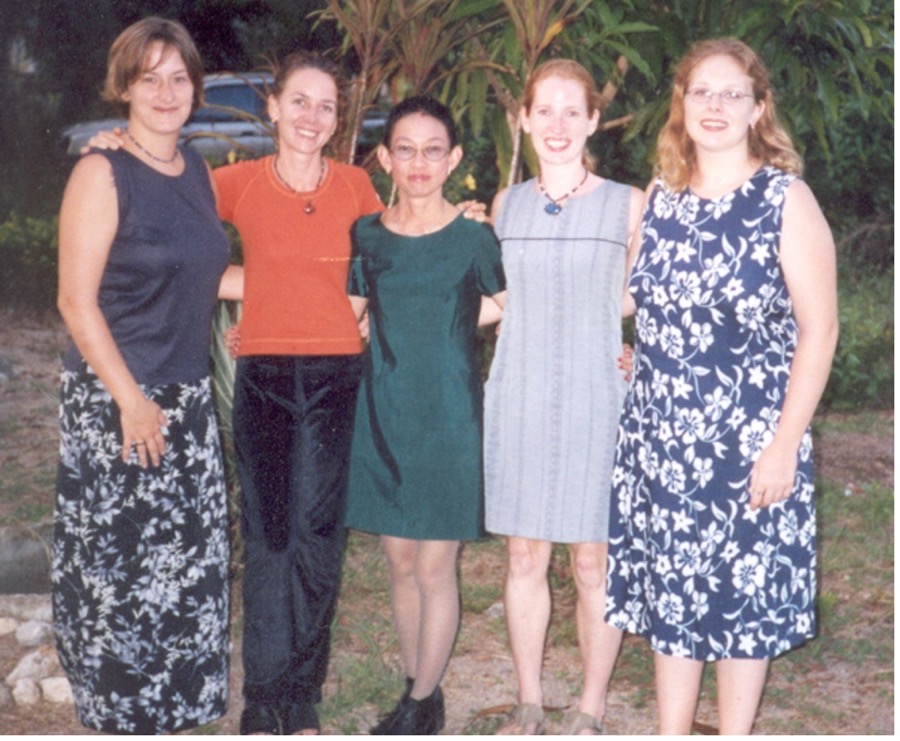
Two volunteer nurses who made it possible
In PAC's first year, two veterinary nurses volunteered their time to get the clinic on its feet.
Christiane Tardif
Nurse & first Manager
Renovated the original premises, ran the clinic through its first year, and transformed the health of every temple animal on the island in that time.
Kristen Sanderson
Nurse & first Office Manager
Set up the office from scratch, including the computer systems and accounting processes that gave PAC a working administrative backbone from day one.
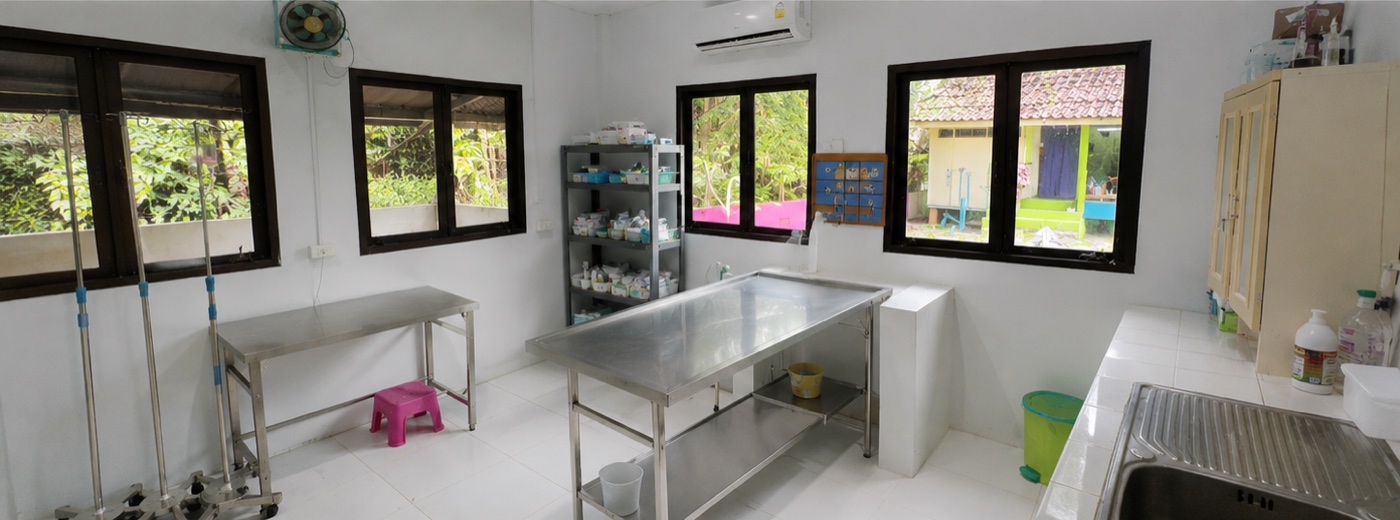
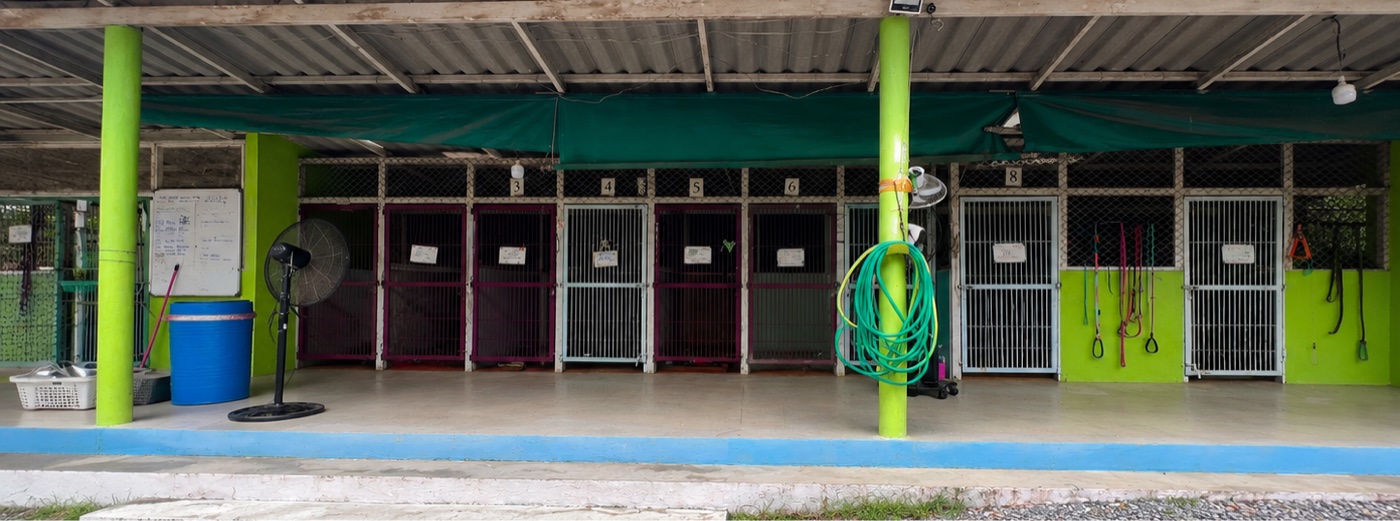
The PACS story: an overview
- 2001
PACS opens its doors
The catalyst was a letter from Animals Asia Foundation in May 2001, offering to fund a staff member if a clinic opened on Koh Phangan. Three women took up the challenge: they converted an old building behind Phangan Suksa school in Baan Tai and opened PAC in September. Dog and Cat Rescue Samui donated the equipment and medications to get the clinic off the ground. Before PACS, sick and injured strays had no options. The nearest vet was on Koh Samui. The only population control was government culling. PACS changed both within its first year.
- 2001–2011
A decade of international backing
Animals Asia Foundation funded two members of staff and continued that support until December 2012. The RSPCA granted funds for neutering in 2005 and 2010. WSPA (now World Animal Protection) provided equipment grants in 2005 and 2007. Extra Trading Ltd and The Tongsai Bay contributed to staffing and medical costs from 2004. These organisations, alongside generous local and international fundraising, kept PACS running through years when donations alone would not have been enough.
- 2008
A permanent home and a new focus
PACS purchased land in Wok Tum and built the permanent premises the clinic still uses today — made possible by WSPA, the RSPCA, Extra Trading, Animals Asia, and many generous others. That same year, Koh Phangan's first private veterinary clinic opened, run by a previous PACS volunteer. With a vet now on the island to treat owned pets, PAC was renamed PACS — Phangan Animal Care for Strays — and could focus exclusively on strays and temple animals.
- 2014–present
Growing impact, same small team
Elle Brindle joined PACS as Head Nurse. Large-scale neutering campaigns began in earnest, with PACS now performing around 80 sterilisations a month. The total sterilisation count has now passed 9,700. More than 12,400 rabies vaccines have been given. Throughout, the clinic has operated on zero government funding.
- 2026
25 years and still going
Not a single confirmed case of rabies has been recorded on Koh Phangan since PACS began its vaccination programme in 2001. The stray population is stable. The clinic is open five days a week.
The journey so far
The story of PACS, Koh Phangan
Life on the island — the PACS story
PACS runs on your generosity
Every neuter, every vaccine, every night an animal spends in recovery. All paid for by people who decided to help. If PACS's story moves you, this is how you continue it.